Skip to the main content.

The Essentials of

Screen Printing and Embroidery

Branded Apparel That Stands Out

Explore the world of screen printing and embroidery as we cover the methods, materials, and strategies that help brands create apparel with lasting visibility and impact. 

GET A FREE QUOTE TODAY

Have a Need for Screen Printing and Embroidery?

Our team is ready to help. Let's discuss how we can bring your project to life!

Request a Quote
 

Why Custom Screen Printing and Embroidery are Essential for Effective Branding

Your brand is not just how you look online, but rather how you’re recognized in the real world. That is where screen printing and embroidery make a huge impact. When your logo appears on T-shirts, hoodies, hats, and uniforms, your brand shows up in everyday places where it’s sure to be remembered.

At a basic level, custom screen printing uses ink and stencils to put your design on fabric. It is ideal for bold graphics, large designs, and high-visibility pieces like event shirts. Embroidery uses thread to stitch your design into the garment, adding texture and a premium feel.

Used together, screen printing and embroidery do more than decorate apparel. They provide a unified look for teams, give customers and employees items they actually wear, creating exposure for your brand over time.

In this guide, we will walk through how screen printing and embroidery work, where each method makes the most sense, and how to choose between them. We will also explore how promotional items support brand identity, best practices, and how to achieve a polished look. 

Screen Printing and Embroidery: Foundations of Branded Apparel

Before considering styles, trends, or placement, it helps to understand how screen printing and embroidery actually work. The method you choose affects how your logo looks, feels, how long it lasts, and where it makes the most sense to use.

Screen Printing

Screen printing is one of the most common ways apparel is decorated. It uses ink, a mesh screen, and a stencil to transfer your design onto the fabric surface. The result is a smooth print that can be bold, colorful, and easy to read from a distance.

How the screen printing process works:

  1. Artwork Setup: Your logo or design is checked for size, clarity, and print readiness. Thin lines may need to be thickened, and low-resolution art may be cleaned up or rebuilt.
  2. Color Separation: Each ink color is separated into its own layer. A separate screen is created for each color that will be printed.
  3. Screen Making: A mesh screen is coated with emulsion, exposed with your artwork, then washed to create a stencil that lets ink pass through where the design should print.
  4. Ink Selection: The shop chooses inks that match your brand and fabric. Some inks sit on top of the fabric with a more opaque look, while others soak in for a softer feel.
  5. Test Printing: A small test run confirms color, placement, and how the ink behaves on the chosen garment.
  6. Production Run: Garments move through the press. Each color is printed in order, with careful alignment so shapes and text line up correctly.
  7. Curing and Quality Check: Printed items go through a dryer so the ink fully cures, preventing cracking and fading in the wash. Finished pieces are inspected for clean edges, accurate color, and correct placement.

Signs of high-quality screen printing include:

  • Even Coverage and Opacity: Solid areas of color look smooth, not patchy or streaky, even on darker garments.
  • Sharp Detail: Lines and edges are crisp. Small type is still readable and not fuzzy.
  • Consistent Color: Brand colors are closely matched and look the same across the entire run and reorders.
  • Accurate Registration: When a design has multiple colors, layers line up correctly without halos or shadows.
  • Proper Curing: Prints feel dry and stable. They resist premature cracking and washing out.

Garment selection also makes a big difference. A well-printed logo on a thin, low-quality shirt can still feel cheap. On a better tee or hoodie, the same print can look more professional and last longer.

Common use cases for screen printing:

  • Branded T-shirts for staff or events.
  • Hoodies and Sweatshirts with bold graphics.
  • Fundraiser or nonprofit apparel.
  • Promo pieces and giveaways.

Screen printing is especially strong when you want impactful color, larger designs, and a consistent look across a medium to large quantity of garments. 

Embroidery

Embroidery uses thread instead of ink to decorate apparel. Your logo is stitched directly into the fabric, which creates texture and a more premium look. That is why embroidery often appears on hats, polos, jackets, and higher-end corporate gifts.

How the embroidery process works:

  1. Digitizing the Logo: Your logo is converted into a stitch file. This file tells the machine which embroidery techniques to use, how dense the stitches should be, and the order in which they should be sewn.
  2. Selecting Stitch Types: Common stitch types include satin, fill, and run stitches.
  3. Choosing Thread and Colors: The shop selects thread that matches your brand colors as closely as possible, is strong, and holds color well through washing and wear.
  4. Backing and Stabilizing the Fabric: A stabilizer is placed behind the fabric to support it during stitching. This backing helps prevent puckering and keeps the logo from warping.
  5. Hooping and Sewing: The garment is placed in a hoop to hold it flat and steady. The embroidery machine then follows the stitch file, sewing the design into the fabric.
  6. Finishing and Inspection: Extra thread tails are trimmed, backing is cleaned up, and each piece is checked for gaps, loose threads, or distortion.

How materials and setup affect embroidery quality:
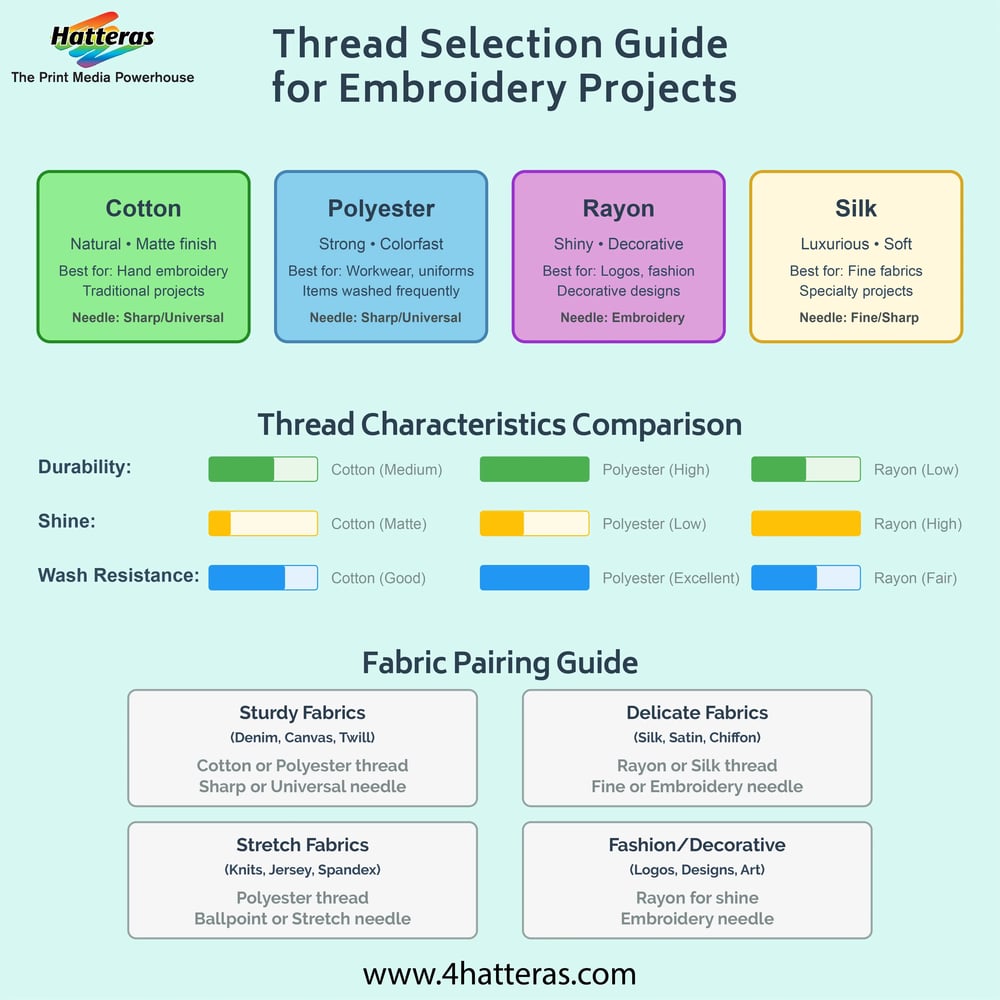
  • Thread Type and Sheen: Most professional embroidery uses polyester thread for strength and colorfastness. It stands up well to frequent washing and outdoor use.
  • Stitch Density: Too few stitches can make the fabric look thin or patchy. Too many can make the fabric feel stiff and may cause it to pucker. A good digitizer finds the right balance.
  • Pull Compensation: Fabric moves slightly as it is stitched. Proper pull compensation in the stitch file keeps circles round, edges clean, and letters legible.
  • Backing Choice: Different fabrics and apparel types need different stabilizers. The right backing supports the logo without showing through or feeling bulky.
  • Fabric Type: Smooth woven fabrics usually hold fine detail better. Thick knits, heavy fleece, and textured materials may need simplified artwork and adjusted stitch settings.

Embroidery BasicsIf your logo has very thin lines or tiny text, it often helps to simplify it for embroidery. A cleaner, bolder version tends to look more professional and is easier to read on real garments.

Common use cases for embroidery:

  • Polos and dress shirts.
  • Hats and caps.
  • Jackets and outerwear.
  • Uniforms and workwear.
  • Corporate gifts and premium items.

When you pair high-quality embroidery with the right garments, your logo becomes a lasting part of what people wear.

Screen Printing vs Embroidery: Stitch It or Print It

Both screen printing and embroidery put your logo where people can see it. The difference is in how they look, feel, and where they work best. Choosing the right method helps your branded apparel look intentional.

Quick Comparison

Factor Screen Printing Embroidery
Best For Big, bold graphics and high-visibility branding Polished logos, uniforms, hats, and workwear
Look and Feel Smooth print on the fabric surface Textured, raised thread with a premium look
Detail Handles fine lines and small text well Small text and thin lines may need to be simplified
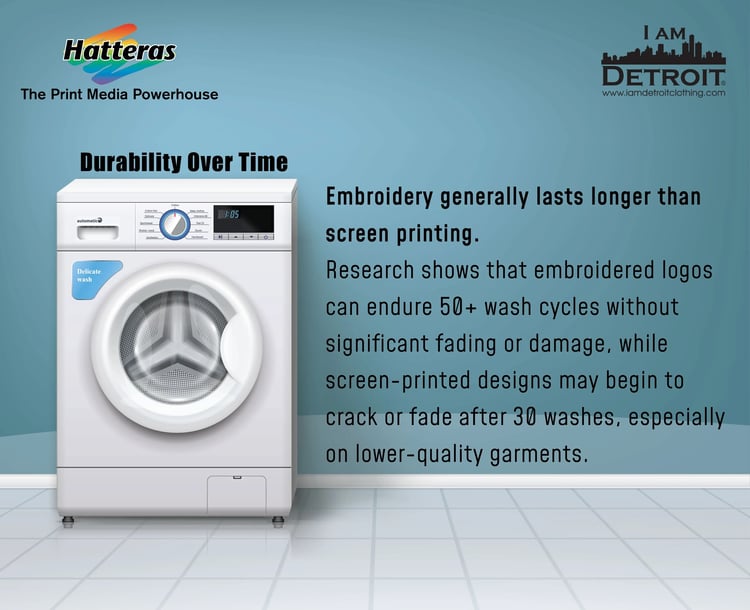
Durability Very durable when cured properly Excellent durability and shape over long-term wear
Main Cost Drivers Number of ink colors, number of print locations Stitch count, placement, and digitizing of the logo
Typical Placements Full front, full back, large sleeve or back prints Left chest, hat front, jacket chest, sleeve patches
Ideal Quantities Best value at medium to large quantities Works well for small to medium runs and uniforms

There is no single “right” answer between screen printing and embroidery. The best choice depends on the garment, design, and how the item will be used.

When to Choose Screen Printing

Use custom screen printing when you need:Which one is Right for your Brand
  • High Visibility: Large front or back prints that require readability from a distance.
  • Bold Graphics: Designs with strong shapes, solid areas of color, or simple text.
  • Event or Fundraiser Apparel: Shirts and hoodies for campaigns, volunteer events, or nonprofit drives.
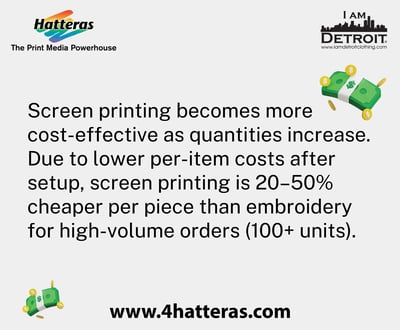
  • Cost-Effective Larger Runs: When you are ordering for a whole team, department, or large audience.

When to Choose Embroidery

Choose embroidery when your priority is:

  • Professional Uniforms and Office Wear: Left chest logos on polos, scrubs, dress shirts, and cardigans.
  • Hats and Headwear: Structured caps, unstructured hats, and beanies with stitched logos.
  • Outerwear and Layers: Jackets, quarter-zips, and fleece that staff and clients will often wear.
  • Premium Corporate Gifts: Embroidered blankets, bags, towels, and other items meant to feel higher-end.

When It Makes Sense to Use Both Screen Printing and Embroidery

Many brands achieve their best results by combining screen printing and embroidery rather than choosing just one. You might use embroidered polos for managers and front-of-house staff, while crews and back-of-house teams wear screen-printed T-shirts that are more comfortable for active work.

An embroidered hat can serve as a staple that employees and customers reach for often, paired with printed tees or hoodies that support a specific event or campaign. For fundraisers and nonprofit initiatives, printed shirts can keep costs manageable and visibility high, while embroidered jackets or quarter-zips become higher-value pieces that last for years.

The key is choosing the method that fits the garment and use case, then keeping the overall look clean and intentional across pieces.

Caring for and Maintaining Quality

Even the best screen printing and embroidery need proper care to look good in the long term. Simple instructions help protect your investment and keep your brand looking sharp.

For screen-printed apparel: 

  • Wash inside out.
  • Use cold or warm water only.
  • Avoid harsh bleach or strong chemicals.
  • Dry on low-heat or hang-dry.
  • Avoid direct ironing on the print.

For embroidered apparel:

  • Close zippers and fasteners before washing.
  • Use gentle cycles when possible.
  • Avoid very high heat in the dryer.
  • Do not iron directly over raised embroidery; use a pressing cloth if needed.

Well-made pieces, good embroidery techniques, and simple care steps work together. That is what keeps logos from cracking, puckering, or fading before their time, and helps your branded apparel become a regular wear. Durability over time
How Screen Printing and Embroidery Support Brand Identity

A logo on a screen is easy to scroll past. A logo on clothing becomes part of someone’s day. That is the real power of screen printing and embroidery in branding. When your logo appears on apparel, people see it in real scenarios.

Every time someone wears your branded apparel, they create another touchpoint for your brand. Over time, that steady, low-pressure visibility builds familiarity. Your business starts to feel established and recognizable.

There is also a strong layer of social proof. When employees, customers, or partners choose to wear your logo, it quietly builds trust in a way different from a paid ad and helps your brand come across as real, local, and credible.

Quality plays a big role. Clean screen printing and well-executed embroidery signal that you care about details. Crisp edges, solid coverage, smooth stitches, and garments that hold their shape all send the same message: this is a brand that pays attention.

The Impact on Businesses: From Employees to Customers

Inside the business, branded apparel does more than match colors. It gives your team a shared look and a clear role. When customers can easily tell who works there, they feel more comfortable asking questions, checking out, or handing over their payment.

Uniforms and branded pieces can also:

  • Reduce guesswork for new hires about what to wear.
  • Help staff feel like part of a team.
  • Make it easier to spot team members in busy spaces.

Customers notice these small guidance signals. A consistent, professional look suggests that your business is organized and reliable.

Screen Printing and Embroidery in Campaigns and Fundraising

Custom apparel and promo items are also powerful tools for campaigns, events, and fundraising. When someone wears a shirt or hoodie that supports a cause, team, or organization, it becomes a badge of support and not just merch.

Screen printing is often the first choice for fundraiser shirts or event apparel. It allows for clear designs at quantities and prices that make sense for nonprofits, schools, and groups. A well-designed shirt can help:

  • Raise awareness for a cause.
  • Encourage participation in an event.
  • Generate revenue when sold as part of a campaign.

Embroidery can play a role, especially for sponsor gifts, volunteer recognition, or long-term supporters. An embroidered jacket, hat, or bag feels more premium and is likely to stay in use for years after the campaign ends.

Matching Decoration Type to Brand Positioning

The decoration method you choose sends a message about how you want your brand to be perceived. 

Embroidery often reads as more premium and professional. A stitched logo suggests stability and polish. It fits well for industries like financial services, healthcare, corporate offices, and professional services where close-up, in-person trust matters.

Screen printing tends to feel bold, modern, and expressive. Large prints on T-shirts and hoodies are perfect for brands that want energy and visibility. It is a natural fit for events, schools, sports, and any setting where you want your message to stand out.

When screen printing and embroidery are chosen with brand positioning in mind, you do more than put logos on fabric. You create a visual system that shapes how people think and feel about your brand in every setting.

Embroidery for Professional Brand Environments

In office, showroom, and front-desk environments, embroidery often feels like the most natural choice because it reads as polished and permanent. The stitched texture reinforces stability and attention to detail, without feeling overbranded. It also holds its shape well through frequent wear and washing, which makes it a dependable option.

For medical offices and clinics, embroidery supports clarity and brand presence. Names, roles, and practice logos on scrubs, jackets, or outer layers help patients quickly identify who they’re speaking with.Custom Emb Placement Ideas (1)


Embroidery Techniques and Trends

You do not need to be an embroidery expert to make good decisions, but knowing what is popular can help your apparel feel current.

Some trends and best practices for professional brands include:

  • Simplified Stitch Versions of Logos: Complex logos are often pared down to cleaner shapes for embroidery to maintain readability.
  • Subtle Placements: Standard left-chest placement remains the anchor, but small sleeve or upper-back logos are becoming more common.
  • Tone-on-Tone Looks: Thread colors that closely match the garment color create a refined, understated effect that many corporate and premium brands prefer.
  • Selective Raised 3D Embroidery: Slightly raised logos on hats or select pieces can add interest without feeling loud or off-brand.

Designing Apparel That People Actually Want to Wear

When designing custom apparel, one of the first decisions you have to make is choosing the right fabric, color, and cut. Comfort, fit, and basic design choices matter just as much as the logo or the screen printing and embroidery you use. 

Start with the garment itself:

  • Fabric: Soft cotton or cotton blends are usually the safest choice for everyday T-shirts. Midweight fleece works well for hoodies, and performance fabrics make sense for active jobs.
  • Fit: A modern, relaxed fit tends to get more wear than very boxy or tight styles. When possible, offer a mix of sizes and consider women’s cuts or tall sizes.

Color does double duty. It has to support your brand and also make the logo readable. High contrast between the garment and the design colors helps. 

Design choices should support comfort and readability

  • Avoid overloading the shirt with text or tiny details.
  • Keep the main logo a size that is easy to see but not overwhelming.
  • Choose fonts that are clean and readable on fabric, not just on a screen.

The goal is simple. If the garment feels good, fits well, and looks clean, it has a much better chance of becoming part of someone’s regular rotation.

The Power of Hats and Headwear

Hats are one of the most effective places to use embroidery. They sit at eye level, they’re easy to see in crowds, and people tend to wear their hats over and over again.

Custom hat embroidery can boost your branding because:
  • Hats are visible in photos, events, and casual settings.
  • They pair easily with almost any outfit.
  • A well-fitting hat often becomes a personal favorite, not just a promo item.

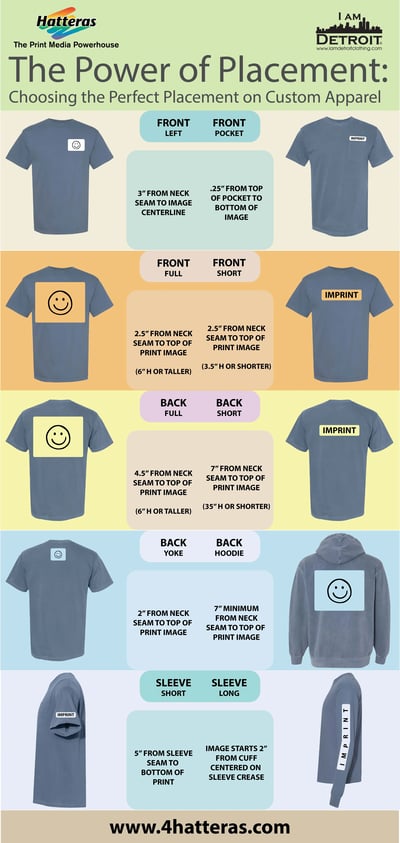
The Power of Logo PlacementGUIDE TO LOGO PLACEMENT

Logo placement can change the entire feel of your branded apparel. The same logo in two different spots can go from work uniform to casual favorite.

Some of the most common and effective placements include:

  • Left Chest: A classic choice that feels professional and is easy to wear in most settings.
  • Center Chest: Often used for larger, more graphic designs and works well for events and merch-style pieces.
  • Full Back: Helpful when you need high visibility, such as for event staff crews. Pairs well with a smaller left chest logo.
  • Sleeve or Upper Back: These placements are subtler and are often used as secondary branding areas. Adds a professional touch without overcrowding the garment.

Strategic placement supports both readability and professionalism. When your logo is sized correctly for the piece, it looks intentional instead of crowded.

GET A FREE QUOTE

Let's Bring Your Brand to Life

Request a quote today to collaborate with our screen printing and embroidery experts at Hatteras for your next branded apparel project.

Request a Quote

Beyond Apparel: Promo Products, Swag, and Signage

Apparel is not the only place where screen printing and embroidery can boost your visibility. Promotional products and swag give you more ways to keep your brand in front of people. Think about items people reach for: tote bags, mugs, notebooks, drinkware, tech accessories, or blankets. 

Promotional products work best when they’re tied to a clear goal. For example:

  • Campaign Support: Use a focused set of items to reinforce the main message.
  • Client Appreciation: Choose something genuinely useful so it gets kept and used.
  • Event Visibility: Offer limited, higher-valued pieces to drive booth engagement.
  • Post-Meeting Reinforcement: Leave behind a practical item that keeps your brand top of mind after a demo.

Corporate Gifts-Art (1)Different audiences respond best to different types of products. Younger audiences might love hats and drinkware they can use daily. Office teams might prefer notebooks, desk items, or tech gear. Field crews may appreciate cooler bags, rugged drinkware, or work-ready accessories.

Signage and printed pieces, such as lawn signs or event signs, also extend the same idea. When your visuals stay consistent across apparel, promotional items, and signs, your brand feels more cohesive and easier to recognize anywhere it appears.

Corporate Gifts that Actually Get Used

Corporate gifts are an opportunity to combine practicality with a more premium touch. Embroidered items are especially strong here because they carry both your logo and a higher perceived value. The goal is to pick something that feels like a genuine gift. 

Balance three simple factors:

  • Practicality: Will this actually get used?
  • Quality: Does it feel solid in the hand and hold up over time?
  • Budget: Does the item make sense for the level of client, partner, or employee you are recognizing?

When you choose well, embroidered gifts stay in circulation for years. Every use becomes another quiet touchpoint for your brand, long after the initial handoff.

Why Partner with a Professional Screen Printing and Embroidery Provider

The difference with a professional screen printing and embroidery partner is not just the ink or thread. It is the way they protect your brand, catch problems early, and keep your projects consistent over time.

Benefits of Working with an Experienced Partner

A professional shop will:

  • Review Artwork Before Production: Check for thin lines, tiny text, low-res files, and color issues that may not translate well to fabric.
  • Recommend the Best Method: Instead of forcing everything into one process, they help choose the best method for strong results.
  • Match Colors as Closely as Possible: Inks and threads behave differently, but an experienced partner works to keep your brand colors consistent across products.
  • Control Quality Throughout the Run: Placement, print clarity, stitch quality, and curing are all checked thoroughly throughout the process.
  • Keep Projects Organized: Clear specs, placements, and approvals so every run stays on track.

This kind of support matters when you want your brand to feel professional and reliable on every piece, not just the samples.

Hatteras Provides a Full Suite of Printing and Apparel Capabilities

Hatteras offers a full range of screen printing and embroidery services, along with promo products and signage, so your branding stays consistent across everything you order.

With Hatteras, you can:

  • Decorate apparel products from leading brands.
  • Add embroidery to uniforms, corporate gifts, and premium items.
  • Support campaigns and events with cohesive apparel and promo pieces.
  • Keep artwork, placements, and specs on file for smooth reorders.

With one team managing the details, it’s easier to keep your branding consistent across apparel, promo items, and future runs.

How to Get Started Printing with Hatteras

Getting started with screen printing and embroidery does not have to be complicated. A simple, clear process keeps projects moving and helps you know what to expect.


With Hatteras, a typical project looks like this:

  1. Set Your Goal: Decide what you need the pieces to do. Are they for staff uniforms, an event, a fundraiser, client gifts, or general brand awareness?
  2. Choose Your Products: Pick the types of garments or items you want. Hatteras can help recommend some based on your audience and budget.
  3. Share Your Artwork and Brand Details: Send your logo files, brand colors, and any guidelines you have. Vector files are best when available.
  4. Select Decoration Methods and Placements: Work with the team to decide where screen printing and embroidery should be used, and how the logos should be placed and sized.
  5. Review Proofs and Approvals: You receive digital mockups to confirm garment style, color, logo size, and placement. This is the time to make adjustments before production.
  6. Production and Finishing: Once approved, your order goes into production. Printing or stitching is completed, pieces are finished and checked, and everything is prepared for delivery.
  7. Delivery and Next Steps: When your order arrives, review a few pieces right away. If you need additional sizes, new items, or a follow-up run, we’ll help you build on what you already created.

If you are ready to explore new branded apparel or promo items, the next step is simple: define one priority project, gather your logo files, and start a conversation. From there, Hatteras can help you choose the right mix of screen printing and embroidery to support your brand.

Have questions, need help choosing between screen printing and embroidery, or ready to get started? The Hatteras and I Am Detroit team are ready to help. Whether you need uniforms, event apparel, promo pieces, or a full-branded collection, we can guide you from idea to finished product. Contact us today to discuss your goals and explore options. 

GET A FREE QUOTE

Let's Bring Your Brand to Life

Request a quote today to collaborate with our screen printing and embroidery experts at Hatteras for your next branded apparel project.

Request a Quote
 

Commonly Asked Screen Printing and Embroidery Questions

More Screen Printing and Embroidery Resources

You Might Also Like...

3 min read

Learning the Basics: Embroidery Techniques for High-Quality Products

Embroidery has come a long way—from hand stitching to a modern and creative way to decorate fabric. It’s used in...

5 min read

Hoodie Design 101: Tips for Choosing the Right Fabric, Fit, and Stitch

From lazy Sunday staples to go-to branded merchandise, the hoodie has officially earned its spot in everyone’s...